
Boltahe 3.6V/7.2V (DC) Kapasidad ng baterya 1.3Ah/1.5Ah Uri ng motor ...
See Details-
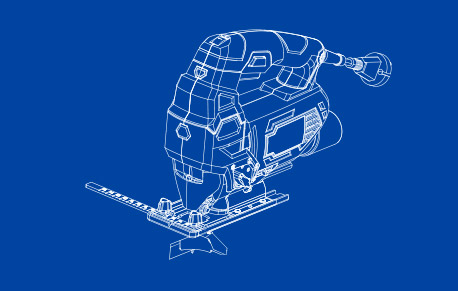
Electric Woodworking Saw
-
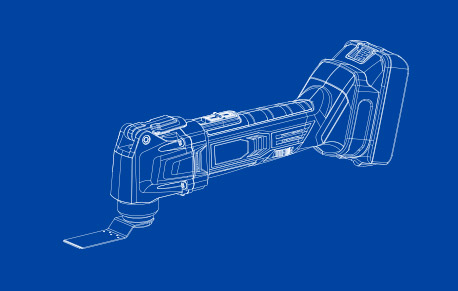
Multifunctional oscillating Saw
-
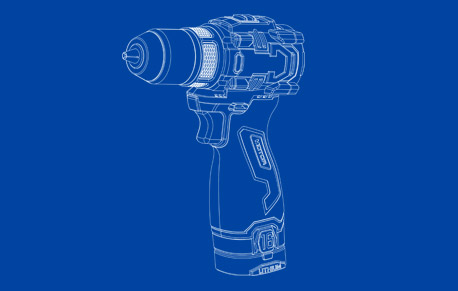
Power Drill
-
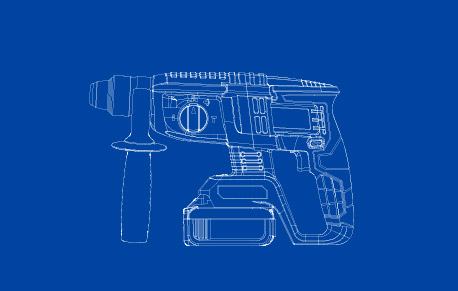
Rotary Hammer Drill
-
Impact Wrench
-
Electric Screwdriver
-
Angle Grinder
-
Handheld Pressure Washer
-
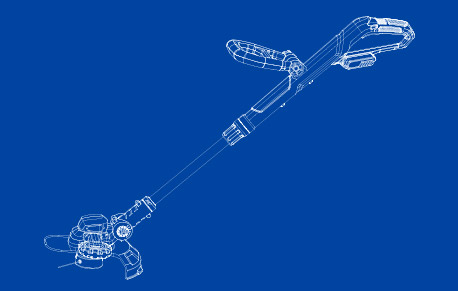
Handheld Lawn Mower
-
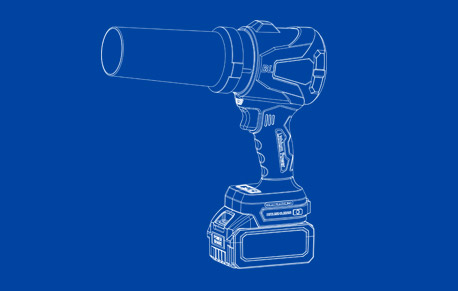
Lithium Turbo Jet Blower
-
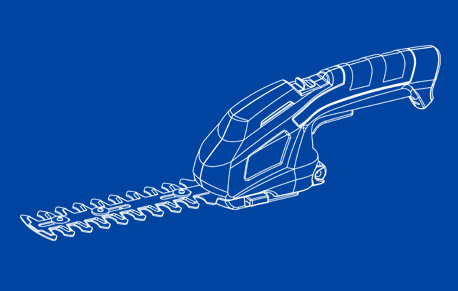
Electric Pruning Shears
-
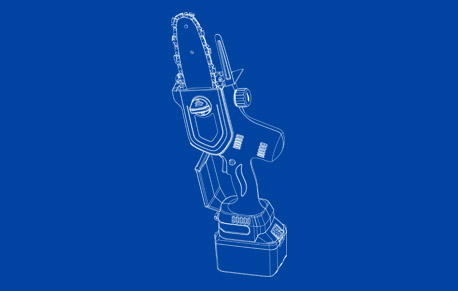
Lithium ChainSaw
-
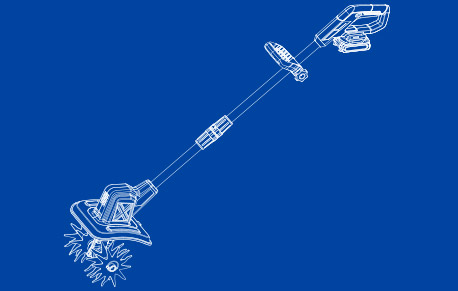
Handheld Tiller Cultivator
-
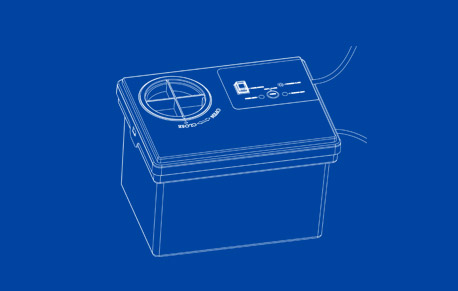
Mga Device sa Pagdidilig ng Halaman
-
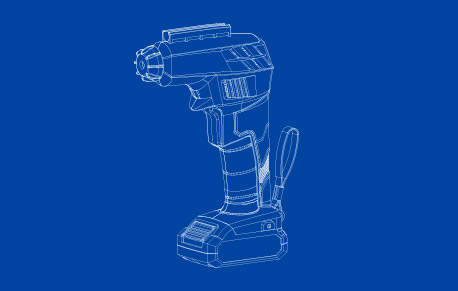
Air Pump

Author: Admin Date: 2026-02-24
Paano gumagana ang pagkilos ng pagmamartilyo sa isang Rotary Hammer Drill, at anong papel ang ginagampanan nito sa pagpapabuti ng kahusayan sa pagbabarena?
-
Rotary Motion Mechanism — Ang Rotary Hammer Drill gumagana sa isang pangunahing rotary motion na nabuo ng isang de-koryenteng motor na naglilipat ng mekanikal na enerhiya sa pamamagitan ng isang gear transmission system upang paikutin ang drill bit sa kinokontrol na bilis. Ang rotational na paggalaw na ito ay nagbibigay-daan sa mga cutting edge ng drill bit na direktang makisali sa ibabaw ng trabaho, na nag-aalis ng materyal sa pamamagitan ng kumbinasyon ng paggugupit, paggiling, at abrasion. Tinitiyak ng pag-ikot ang patuloy na pakikipag-ugnayan sa pagitan ng bit at ng materyal, na sumusuporta sa matatag na pagbuo ng butas at pare-pareho ang pagganap ng pagputol. Ang rotary action ay gumaganap ng isang kritikal na papel sa paglilinis ng mga debris mula sa drilled hole sa pamamagitan ng paglipat ng mga pira-pirasong particle palabas sa kahabaan ng mga flute ng drill bit, na pumipigil sa pagbara at pagbabawas ng heat buildup. Ang wastong kontroladong bilis ng pag-ikot ay nakakatulong din sa pinahusay na katumpakan ng pagbabarena, pinapaliit ang bit wandering, at pinapanatili ang integridad ng istruktura ng parehong tool at workpiece. Sa mga demanding application tulad ng pagbabarena sa reinforced concrete o dense masonry, tinitiyak ng rotary mechanism ang tuluy-tuloy na pag-unlad at sinusuportahan ang pagiging epektibo ng hammering system sa pamamagitan ng pagpapanatili ng pare-parehong contact sa pagitan ng bit at ibabaw.
-
Pneumatic Hammering System — Ang pneumatic hammering system is the defining technological feature that distinguishes a Rotary Hammer Drill from conventional drilling tools. This mechanism operates using a piston-driven air compression system that generates powerful impact energy. Inside the tool, a motor-driven crankshaft moves a drive piston back and forth within a sealed cylinder, compressing air that propels a secondary flying piston. This flying piston strikes an impact bolt connected to the drill bit, delivering high-energy blows along the axis of drilling. Unlike mechanical hammer systems that rely on direct gear contact, the pneumatic design allows for more efficient energy transfer and produces stronger impacts with less vibration transmitted to the user. The independent operation of the hammering mechanism ensures that impact force remains consistent regardless of applied pressure. This system enables the tool to break apart highly resistant materials quickly, reduces mechanical strain on internal components, and improves overall operational durability. The pneumatic hammering mechanism therefore provides superior performance in heavy-duty construction environments where high impact energy and reliability are essential.
-
Sabay-sabay na Pag-ikot at Percussion — Isa sa mga pinakamahalagang bentahe ng Rotary Hammer Drill ay ang kakayahang magsagawa ng rotational cutting at hammering actions nang sabay-sabay. Ang pinagsamang operasyon na ito ay lumilikha ng isang napakahusay na proseso ng pagbabarena kung saan ang bawat galaw ay umaakma sa isa pa. Ang pagkilos ng pagmamartilyo ay bumubuo ng mga paulit-ulit na epekto ng axial na nakakabali at nagpapahina sa materyal, habang ang rotary motion ay nag-aalis ng mga lumuwag na mga fragment at nag-usad ng drill bit sa ibabaw. Tinitiyak ng naka-synchronize na functionality na ito ang tuluy-tuloy na pagkasira at pag-alis ng materyal nang walang pagkaantala, na binabawasan ang resistensyang nararanasan ng drill bit. Pinipigilan din ng kumbinasyon ang labis na alitan at pagtitipon ng init, na maaaring negatibong makaapekto sa pagganap ng tool at mahabang buhay ng bahagi. Sa pamamagitan ng pagpapanatili ng pare-parehong pagtagos at pagliit ng pagkawala ng enerhiya, ang sabay-sabay na pag-ikot at pagtambulin ay nagpapabuti sa katumpakan ng pagbabarena, nagpapabilis ng bilis, at binabawasan ang posibilidad ng pag-jamming ng tool. Ang coordinated na mekanismong ito ay partikular na mahalaga sa mga propesyonal na aplikasyon na nangangailangan ng malalim o paulit-ulit na pagbabarena sa matitigas na materyales, kung saan ang pagpapanatili ng pare-parehong kahusayan at pagiging maaasahan ay kritikal sa tagumpay ng proyekto.
-
Material Fracture at Micro-Cracking Effect — Ang hammering action of a Rotary Hammer Drill produces high-frequency impacts that generate localized stress within the material being drilled. These impacts create microscopic fractures, or micro-cracks, that weaken the internal structure of dense materials such as concrete, stone, or brick. As the structural integrity of the material decreases, the rotating drill bit can remove fragmented particles more easily with minimal cutting resistance. This process significantly improves drilling efficiency by reducing the force required to penetrate hard surfaces. The micro-cracking effect also helps distribute stress evenly around the drilling area, minimizing the risk of large-scale surface damage or uncontrolled cracking. Furthermore, by weakening the material progressively rather than relying solely on mechanical cutting, the tool reduces strain on the motor and internal components, which contributes to longer service life and consistent performance. This controlled fracturing process is particularly important in structural applications where precision and material integrity must be carefully maintained.
-
Pinahusay na Kakayahang Pagpasok — Ang hammering mechanism in a Rotary Hammer Drill provides concentrated impact energy that enables the tool to penetrate extremely dense and high-strength materials efficiently. Each impact delivers a powerful force directly to the drilling surface, breaking down compact material structures and allowing the drill bit to advance with minimal resistance. This capability significantly improves the tool’s effectiveness in applications involving reinforced concrete, structural stone, or heavy masonry, where conventional drilling methods would struggle to achieve sufficient penetration. The high-impact energy also allows the tool to maintain consistent performance even under demanding conditions, such as deep-hole drilling or continuous operation. Enhanced penetration capability reduces the time required to complete drilling tasks and ensures reliable results in professional construction environments. The ability to penetrate hard materials efficiently reduces wear on cutting edges and minimizes the likelihood of overheating, further supporting the tool’s durability and operational stability.

-
Feedback
Mga Kaugnay na Produkto
-
-
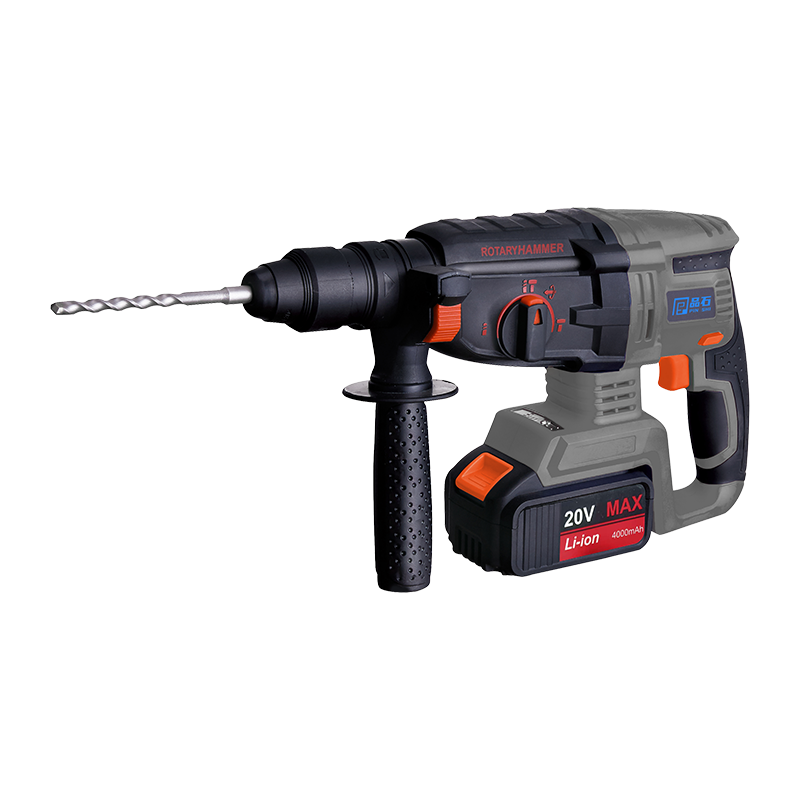
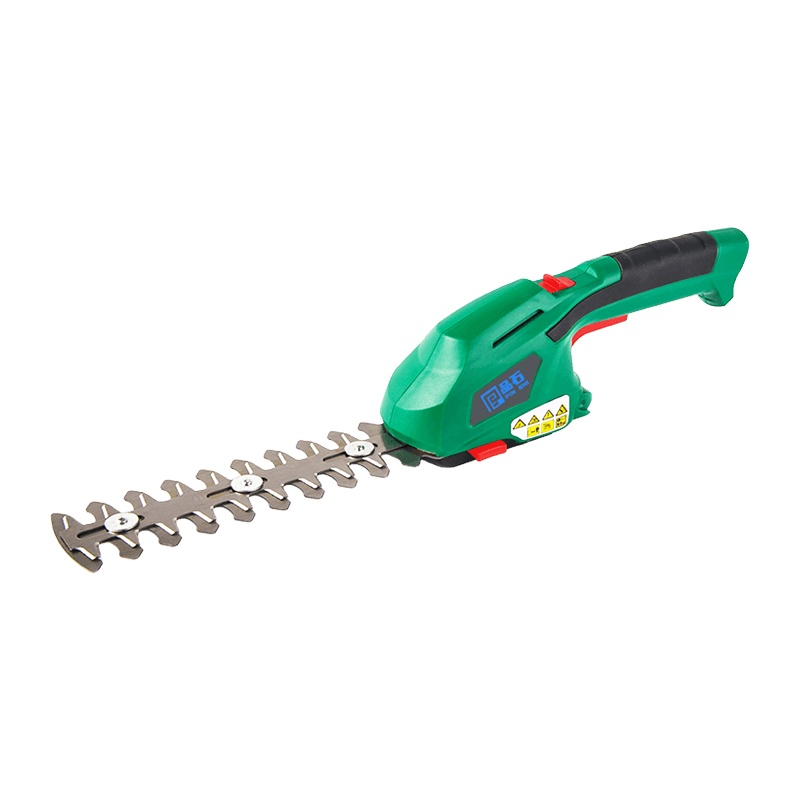
Boltahe 20V(DC) Kapasidad ng baterya 3.0Ah/4.0Ah Uri ng motor ...
See Details -
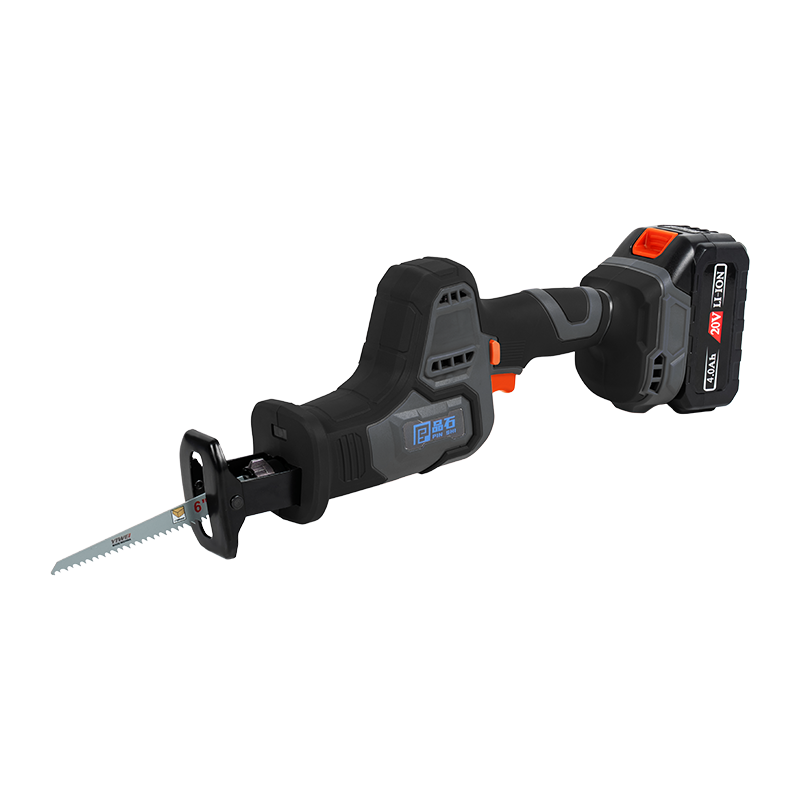
Boltahe 20V (DC) Kapasidad ng baterya 2.0Ah/3.0Ah Uri ng motor ...
See Details -
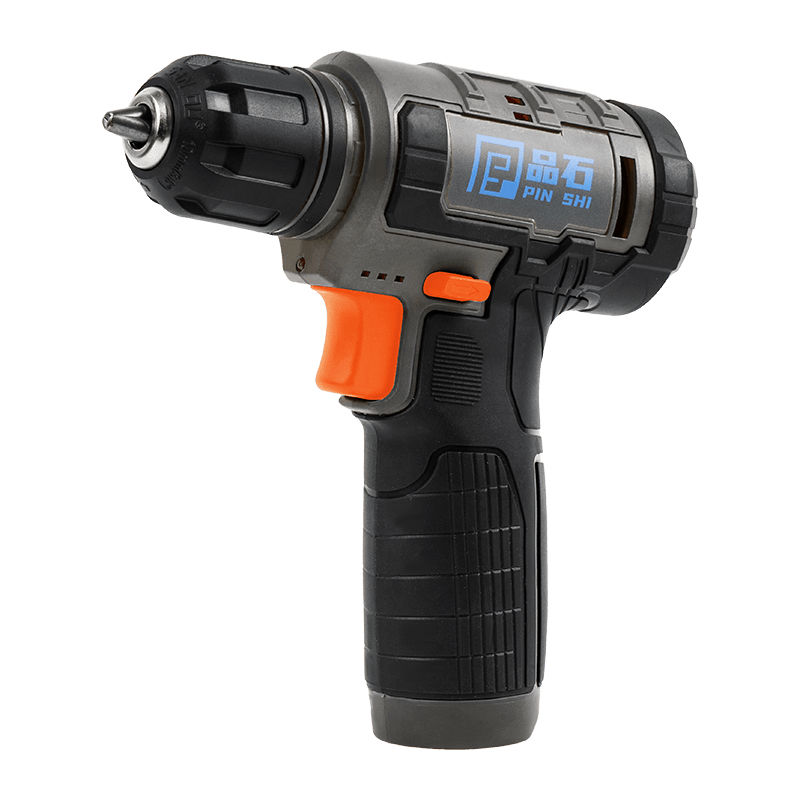
Boltahe 8V (DC) Kapasidad ng baterya 1.5Ah / 2.0Ah Uri ng motor ...
See Details -
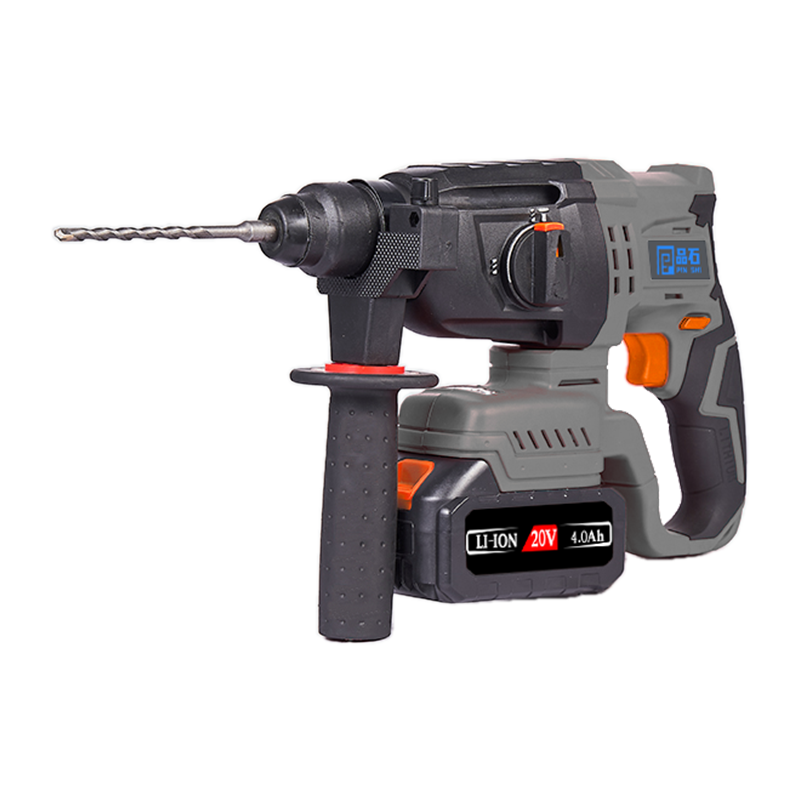
Boltahe 20V (DC) Kapasidad ng baterya 3.0Ah/4.0Ah Uri ng motor ...
See Details -
Boltahe AC 110-120V 220-240V 60Hz/50Hz kapangyarihan 4.5W Kapasidad ng Tan...
See Details
Mga Kaugnay na Balita
-
Sa mabilis na umuusbong na tanawin ng konstruksiyon, pagkukumpuni ng sasakyan, at pagpupulong pang-industriya, isang kasangkapan ang patuloy na nam...
READ MORE -
Ano nga ba ang isang Electric Screwdriver Ngayon? Ang paglilipat ng kahulugan ng "electric screwdriver" sa modernong tool ecosystem Ang termi...
READ MORE -
Impact Wrench: Kahulugan at Pangunahing Prinsipyo sa Paggawa Ang Impact Wrench , na kadalasang tinutukoy sa mga industriyal na bilog bila...
READ MORE
-
LINK
-
produkto
-
Mabilis na Pakikipag-ugnayan
-
 Building 1, Floor 1, Industrial Zone, Zhongyi Village, Guolin Town, Haishu District, Ningbo City, Zhejiang Province, China
 -
 +86-13906619096
 -
 Michael@chinashimu.com
-
MAKIPAG-UGNAYAN
Copyright© Ningbo Pinshi Electromechanical Co., LTD.
